
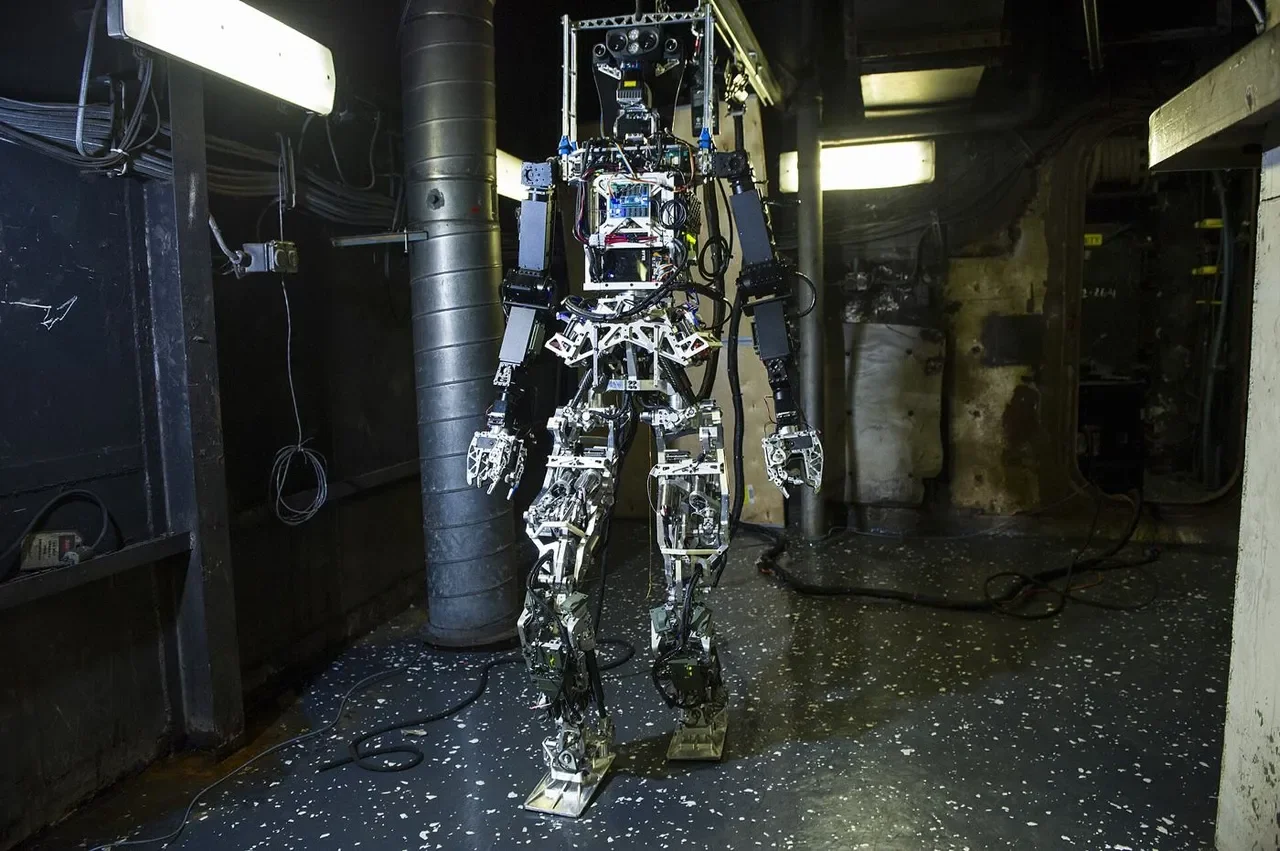
For humanoid robots, picking up a rigid box is relatively easy, but handling a paper cup, a cable, or a ripe tomato without crushing it remains a serious laboratory challenge. Researchers are fitting robot hands with tactile sensors that report pressure and slip many times per second during a grasp. That feedback lets the hand adjust its grip continuously, rather than squeezing to a fixed, pre-programmed force.
What the Evidence Shows
Engineers note that capable hands also need durable skin, repairable fingers, and software that can generalise across thousands of unfamiliar household and workplace objects without retraining. Laboratory tests increasingly use cluttered benches and deformable items instead of neat rows of identical blocks used in earlier demonstrations. Progress is measurable, but specialists caution that reliable, affordable dexterity is still years behind the confident walking demonstrations that attract public attention in homes, warehouses, clinics, and other shared spaces. Specialists following tactile humanoid robot hands say the direction of travel is now consistent across independent lines of evidence.
The Wider Context
Adoption of tactile humanoid robot hands follows a familiar pattern with an unfamiliar speed. Early users tolerate rough edges in exchange for advantage, mainstream users arrive when the tool disappears into existing workflows, and the market consolidates around whoever made that transition feel effortless. Vendors are racing less on raw performance now than on integration, support, and trust.
What Happens Next
The realistic forecast for tactile humanoid robot hands is steady integration rather than sudden replacement: embedded in products people already use, improving in increments, and regulated in proportion to its reach. The companies and institutions that plan on that basis, training staff and redesigning processes instead of chasing launches, are the ones the adoption data tends to vindicate.
It is also worth remembering how quickly the picture in this area has changed before. Positions that looked settled a few years ago have been revised as new data arrived, and the same humility is appropriate now. The strongest coverage of this subject, and the most useful advice, tends to come from sources that update their views openly when the facts move, rather than defending an earlier position long after it has stopped fitting the evidence available.
None of this will be settled by a single announcement, study, or product launch. The pattern to watch is accumulation: independent confirmations, honest reporting of failures, and steady improvement in the underlying numbers. Readers who follow those signals, rather than the loudest claim of the week, will understand this subject better than most of the commentary surrounding it suggests is possible.
Leave a Reply