
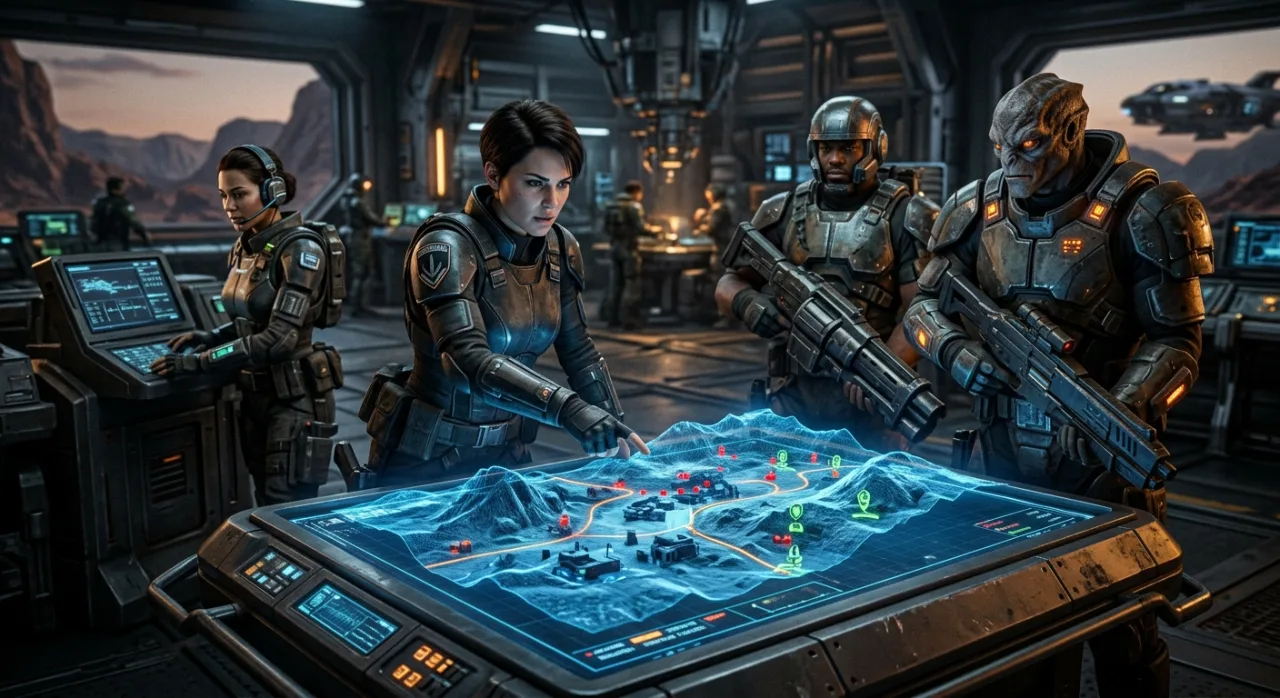
 Science fiction games offer players an opportunity to explore unfamiliar worlds, face powerful enemies, and make decisions that influence the outcome of challenging missions. Squad-based games add another layer of excitement by requiring players to manage different characters, understand their abilities, and develop effective strategies. Winning relies on careful planning, teamwork, and adaptability rather than just attacking first or using the strongest weapon.
These games also encourage critical thinking. Every mission presents unique challenges, from protecting important locations to managing limited supplies and overcoming unexpected enemy attacks. Understanding the environment and learning from previous mistakes gradually improves performance. Whether you are new to tactical gaming or have years of experience, developing a thoughtful approach makes each mission more rewarding.
Understanding the Basics of Tactical Gameplay
Tactical gameplay focuses on making effective decisions rather than relying entirely on speed. Players must consider available actions, character positioning, and the potential consequences of every move. An apparently simple decision, such as moving toward an objective, often exposes a character to several enemies at once.
Learning these mechanics takes patience, practice, and access to useful information. For deeper insights into strategy, skill development, and informed decision-making, resources available through Lotsofpower offer valuable perspectives for dedicated gamers.
| Gameplay Element | Focus Area | Best Approach |
| Movement | Positioning and cover | Avoid exposing characters to multiple enemy lines of sight. |
| Engagement | Threat prioritization | Target high-risk enemies (like reinforcement callers) first. |
| Flexibility | Adapting to changes | Switch between aggressive and defensive stances as needed. |
Building a Balanced Squad
A successful team needs characters with complementary abilities. Some members specialize in dealing damage, while others provide protection, healing, reconnaissance, or support. Combining these roles creates more opportunities to handle unexpected threats.
-
Role Diversity: Avoid teams focused entirely on attacking or defending. Balance firepower with support and survival mechanics.
-
Equipment Synergy: Match weapons with different ranges, protective gear, and specialized tools to cover individual squad weaknesses.
-
Play Style Alignment: Experiment with different member combinations to discover which formations fit your tactical preferences.
Mastering the Battlefield and Resources
Victory in squad-based sci-fi titles depends heavily on environmental awareness and frugal resource management.
Study the Battlefield Carefully
The environment provides essential combat advantages. Buildings, walls, elevated positions, and narrow passages offer protection or restrict enemy movement. Placing a character behind cover reduces incoming damage, while positioning a ranged specialist on higher ground improves their effectiveness.
Manage Equipment and Resources Wisely
Most strategy games limit ammunition, medical supplies, currency, and special abilities. Using a powerful item immediately might solve a minor skirmish but leave the squad defenseless during a later, more critical encounter. Evaluate immediate danger against future campaign requirements before spending valuable resources.
Core Strategies for Continuous Improvement
[Analyze Failure] ➔ [Identify Weakness] ➔ [Adjust Formation/Gear] ➔ [Execute & Review]
-
Learn From Difficult Missions: Treat setbacks as data. If enemies consistently overwhelm one character, improve their protection or reposition them farther from danger.
-
Refine Decision-Making: Regularly review important choices after each encounter. Determine which actions worked, which created unnecessary risks, and what to change next time.
-
Engage with Communities: Exchange strategies, discuss difficult missions, and learn from experienced players to master complex game mechanics faster.
-
Maintain Balance: Take regular rest breaks during long gaming sessions, set realistic goals, and adjust difficulty settings when frustration outweighs enjoyment.
Leave a Reply