
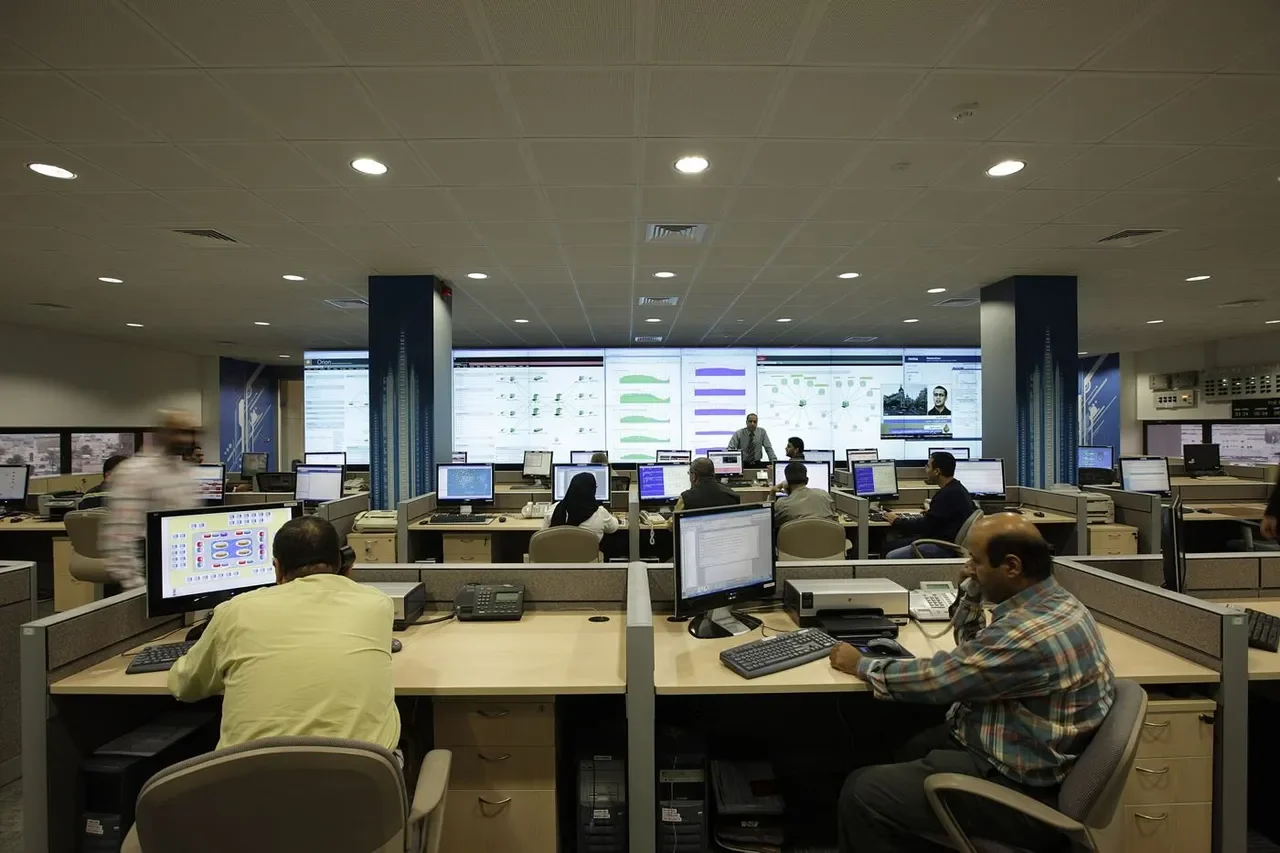
Inside a corporate network, an intruder who has slipped past the outer defenses can hide for weeks, moving quietly between computers and gathering access until they are ready to strike. Finding that intruder is the job of cybersecurity analysts, who sift through logs and alerts looking for behavior that does not belong. The signs are often subtle: a user account logging in at an unusual hour, a server contacting an unfamiliar address, or a file being copied in a pattern no employee would follow. Analysts combine automated tools that flag suspicious activity with their own judgment, built from experience of how real attacks unfold. The work is demanding because the volume of data is enormous and most alerts turn out to be harmless. Catching an intruder early can be the difference between a minor incident and a major breach, which is why large organizations staff their security teams around the clock.
Tools Are Improving, and So Are the Attackers
Machine learning systems now group related alerts into single incidents and rank them by risk, helping analysts focus on the few cases that matter. Similar work on sorting harmful content at lower cost appears in an open-source moderation model that outperforms larger cloud options at a fraction of the cost. Attackers respond by moving more slowly, mimicking ordinary behavior and using legitimate tools already installed on the victim computers, which makes them harder to spot. Security teams counter with exercises that simulate those attacks, testing whether their monitoring would catch an intruder who behaves like a careful employee. Smaller organizations that cannot staff a full team increasingly buy monitoring as a service, sharing analysts across many clients.
Why Judgment Still Decides the Close Cases
The human element remains essential, because the hardest part of the job is not collecting data but understanding context: whether a late-night login belongs to a traveling executive or a stolen password. In that judgment, trained people are still ahead of any machine. The tools can group and rank the noise. The decision about what the noise means still sits with someone who has seen how real incidents unfold, and who can tell a harmless oddity from the start of a breach. Around-the-clock coverage exists for the same reason: an intruder who has already slipped inside can wait for a quiet hour. The earlier a real alert is understood, the smaller the incident tends to stay. That is the practical argument for keeping a trained person in the loop, even when the software has already done a capable first sort of the noise.