
Historic indoor markets across the nation are undergoing a major transformation. To combat long-standing vacancy rates and shifting consumer habits, market operators are rolling out aggressive recruitment initiatives aimed at a new generation of entrepreneurs. By offering subsidized first-year rents alongside direct mentorship from veteran stallholders, market halls are converting empty floorspace into active hubs for artisan food, repair services, and curated vintage goods.
Breaking Down the Revitalization Model
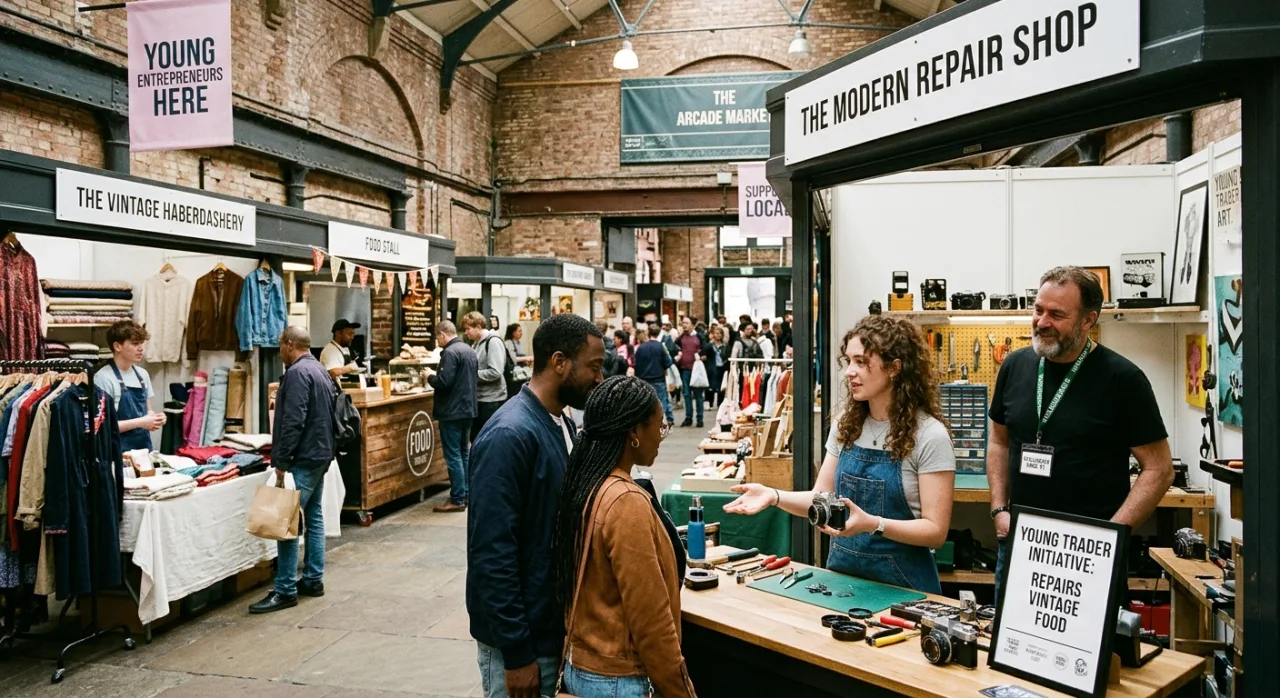
The traditional barrier to entry for prospective market traders has always been steep overhead: high commercial rents, long-term lease commitments, and unpredictable foot traffic. The new market initiative restructures these risks into a manageable onboarding pathway.
| Program Feature | Traditional Commercial Lease | New Young Trader Initiative | Business Impact |
| Year 1 Rent Structure | Full market rate (fixed) | Subsidized / Reduced rates | Lowers upfront financial risk for startups |
| Lease Commitment | 3 to 5 years minimum | 12-month pilot contract | Allows testing of inventory and foot traffic |
| Onsite Support | Independent / Isolated | Paired with veteran mentor | Accelerated learning curve in inventory & sales |
| Feedback Loop | Delayed financial reporting | Immediate face-to-face buyer reaction | Fast product iteration based on daily demand |
The Power of In-Person Retail Real-Time Feedback
While e-commerce offers global reach, emerging traders are discovering that physical market stalls provide an advantage digital storefronts cannot replicate: instant, unfiltered consumer interaction.
-
Immediate Demand Testing: Vendors assess customer reactions to product offerings, pricing, and packaging within hours rather than weeks.
-
Low-Cost Customer Acquisition: Market halls deliver built-in daily foot traffic, drastically reducing the digital advertising spend required for online stores.
-
Mentorship Integration: Seasoned merchants guide newcomers through seasonal demand fluctuations, optimal display layouts, and localized inventory management.
Regional Performance: Big Cities vs. Local Towns
Market hall performance varies significantly by region. Understanding these local dynamics helps operators tailor their recruitment strategies effectively.
Metropolitan Centers
Major urban hubs frequently experience high applicant volumes. Young vendors actively seek out these high-density locations to launch niche lifestyle brands and gourmet food concepts.
Regional & Post-Industrial Towns
Smaller municipalities often face steeper recruitment hurdles. Success in these markets relies on direct community outreach, partnerships with local vocational schools, and deeper initial rental subsidies to build momentum.
Measuring Long-Term Success
The true test of these market revival schemes is not initial launch publicity, but sustained occupancy. Industry analysts track three key indicators to judge long-term viability:
-
Post-Discount Retention: The percentage of young traders who remain in the market hall after transitioning to full-rate contracts in Year 2.
-
Footfall & Revenue Benchmarks: Steady, verifiable growth in total visitor numbers and average transaction values across all stalls.
-
Ecosystem Synergies: Increased foot traffic driving cross-purchases between legacy stallholders and new vendors.
For more insights into commercial real estate revitalization and small business trends, explore our comprehensive guide on local economic development strategies and check out our analysis of emerging retail business models.
Leave a Reply