
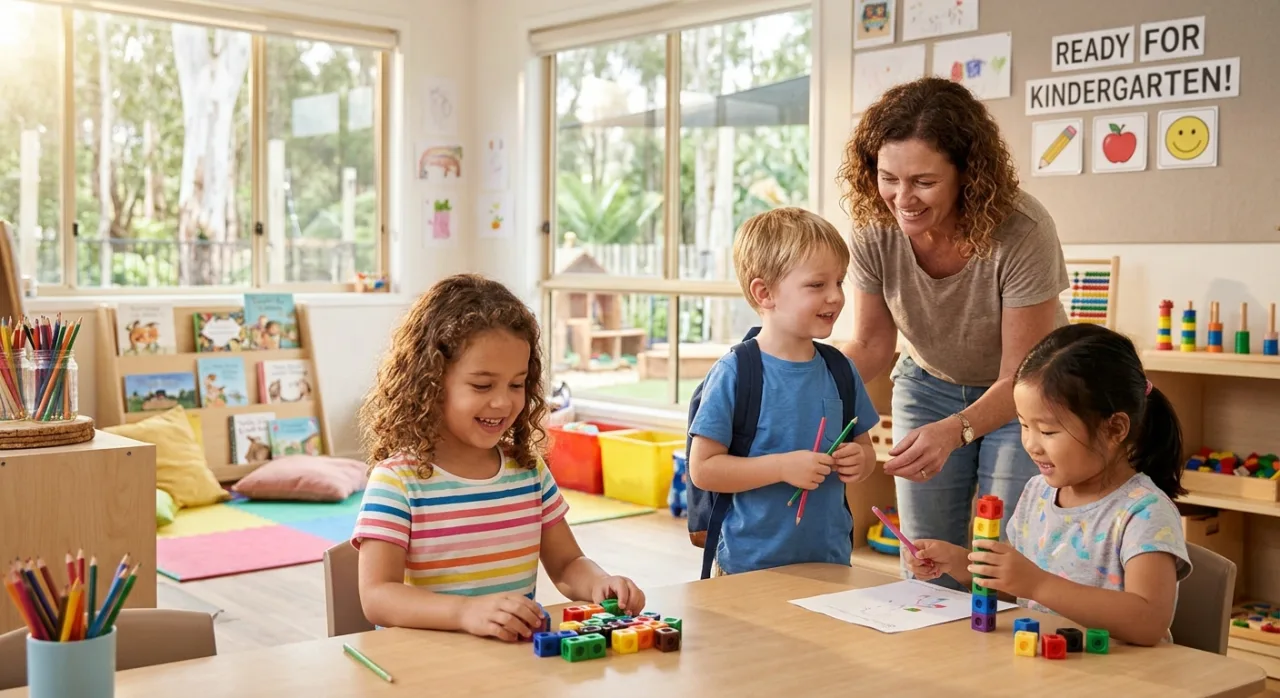
 Starting kindergarten marks a major milestone in your child’s educational journey. Expectations for young learners have evolved over time, making proper preparation at home essential for a confident and successful transition to the classroom.
When parents actively support early education, children develop a positive attitude toward learning. Quality early learning environments, including dedicated kindergarten sunshine coast centers, focus on building genuine enthusiasm, helping children step into the classroom with confidence rather than pressure.
Why Early Kindergarten Preparation Matters
Children spend significant hours in school engaging with peers, learning new concepts, and building independence. Preparing them in advance reduces first-day anxiety and ensures they feel secure in a structured environment.
Beyond basic academic preparation, early childhood education establishes core developmental foundations:
-
Clear Communication: Expressing thoughts, needs, and feelings effectively.
-
Personal Independence: Managing personal belongings and daily routines.
-
Social Competency: Sharing, cooperating, and building healthy friendships.
-
Active Curiosity: Exploring new ideas with eagerness and confidence.
Everyday activities at home directly reinforce classroom learning, establishing a solid foundation for long-term academic success.
[IMAGE PLACEHOLDER: A teacher reading a storybook to a small group of engaged kindergarten children in a bright classroom]
Key Developmental Areas to Focus On
1. Early Literacy and Numeracy
Kindergarten introduces core literacy and numeracy concepts through guided play and hands-on activities. Children learn to recognise letters, connect sounds, and count tangible objects.
How to practice at home:
-
Read picture books together daily and ask open-ended questions about the story.
-
Sing alphabet songs and practice phonics during play.
-
Count everyday items such as toys, snacks, or household objects.
Note: Children do not need to read or write fluently before entering kindergarten. Focus on fostering natural curiosity rather than pushing rigid academic goals.
2. Communication and Active Listening
Classroom success relies heavily on a child’s ability to follow directions and express their needs. Kindergarten actively refines these skills through group discussions, storytelling sessions, and cooperative projects.
Strong communication skills empower children to:
-
Follow multi-step instructions from teachers.
-
Express feelings and physical needs clearly.
-
Actively contribute during group learning time.
3. Social Interaction and Friendship Building
School provides children with their first structured opportunity to navigate social dynamics outside the family. Through guided group activities, children learn to share tools, take turns, and resolve minor conflicts constructively.
4. Independence in Daily Routines
Developing self-care skills boosts a child’s self-esteem and makes the school day run smoothly. Focus on encouraging these daily habits:
-
Handwashing and personal hygiene.
-
Opening lunchboxes and water bottles independently.
-
Dressing themselves and managing shoes or jackets.
-
Packing and organising their own school bag.
[IMAGE PLACEHOLDER: A child practicing washing hands and putting away a backpack at school]
5. Creative Expression and Problem-Solving
Hands-on activities like painting, drawing, block building, and solving simple puzzles encourage independent thinking and fine motor development. Creative play gives children the freedom to express their unique personality while developing problem-solving skills.
Skill Development Matrix
| Learning Area | What Children Practice | How It Prepares Them for School |
| Early Literacy & Numeracy | Letter recognition, phonetic sounds, counting objects | Builds foundational reading and mathematical skills |
| Communication | Expressing thoughts, active listening, following steps | Enhances classroom participation and comprehension |
| Social Development | Sharing, turn-taking, cooperative play | Supports healthy peer relationships and group harmony |
| Independence | Self-dressing, handwashing, organizing belongings | Encourages self-reliance and personal responsibility |
| Emotional Development | Identifying emotions, managing frustration | Builds resilience and emotional stability |
| Creativity & Problem-Solving | Drawing, puzzles, imaginative scenarios | Fosters critical thinking and cognitive growth |
Establishing Familiar School Routines
Predictability provides emotional security for young children. Establishing consistent daily patterns prior to the first day lowers stress and makes school feel natural.
-
Adjust Sleep and Meal Schedules: Shift bedtime, wake-up times, and meal hours 2–3 weeks before the term starts.
-
Visit the Campus: Tour the school grounds and playground so the physical space feels familiar.
-
Read School-Themed Stories: Normalize classroom experiences through books that portray starting school in a positive light.
Frequently Asked Questions
What do children learn in kindergarten?
Kindergarten focuses on foundational social skills, letter and number recognition, emotional regulation, and simple daily routines through play-based and structured learning.
How can I reduce my child’s kindergarten anxiety?
Speak positively about school, read stories about classroom adventures, and visit the school environment ahead of time to make the new setting feel familiar and safe.
When should preparation for kindergarten begin?
Preparation happens naturally throughout the toddler and preschool years by reading together, encouraging independent self-care, and arranging playdates.
Do children need to read and write before starting?
No. Formal reading and writing are taught in school. Kindergarten readiness focuses on curiosity, listening ability, and foundational motor skills.
How long does it take for a child to adjust?
Adjustment periods vary. Many children feel comfortable within a few days, while others take several weeks. Consistent routines, patience, and close communication with teachers promote a smooth transition.
Leave a Reply